How MowReview makes money: As an Amazon Associate, MowReview earns from qualifying purchases, at no extra cost to you. We don’t test mowers ourselves; we explain what manufacturers and independent testers report. How we research
Quick answer
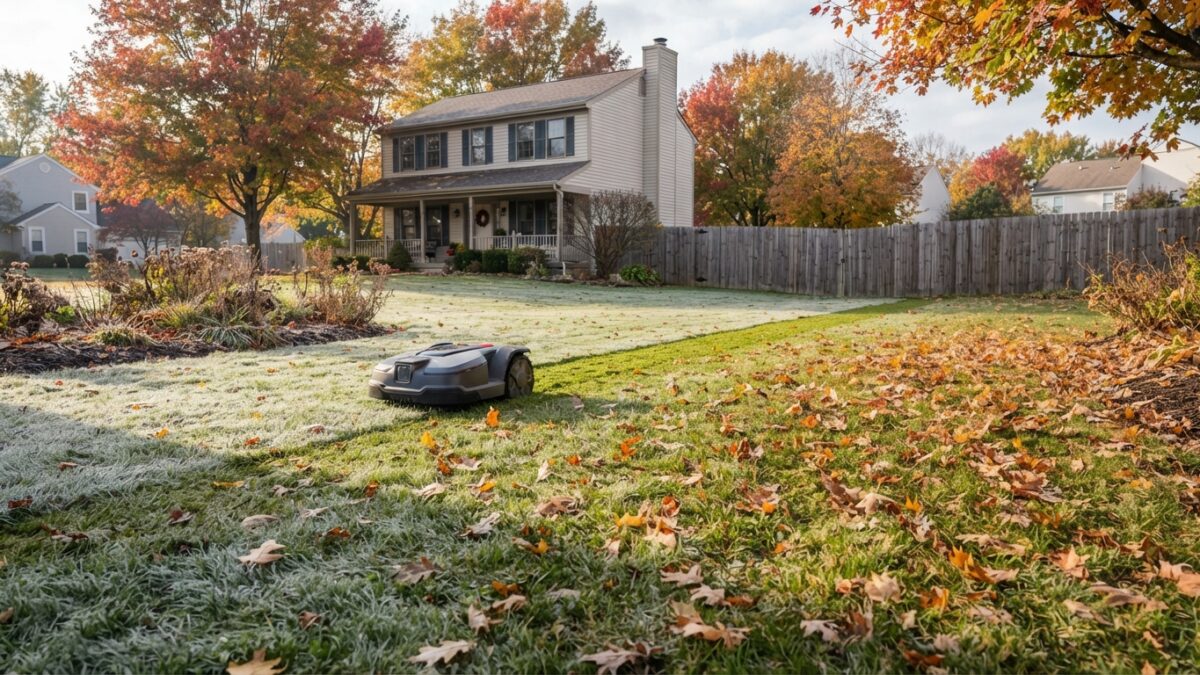
Bring the mower out when the grass has genuinely started growing and hard frosts have passed, not on a fixed date. The signal is the lawn: once it’s actively growing again, usually when daytime temperatures settle above about 40°F, it’s time. This is weeks earlier in the South than the North, so watch your own yard rather than the calendar.
Take the mower out too early and it sits idle, or worse, runs on frosted grass and cold-damaged ground. Too late and the lawn gets ahead of a machine designed to cut a little at a time. Getting the timing right is simple once you know what to watch.
MowReview hasn’t tested these mowers; the guidance comes from the manufacturers.
The signal is the grass, not the date
The same rule that ends the season begins it: mow while the grass is actively growing. Husqvarna notes growth more or less stops around 40°F, and by the same measure it starts again as temperatures climb back above that. So the cue to bring the mower out is simple: the grass is visibly growing again.
If you mowed the lawn to a winter height in fall and it’s now clearly longer, growth has resumed. That’s your green light, whatever the date on the calendar.
Two conditions to check first
- Growth has started. The lawn is lengthening, not static. A single warm week in late winter isn’t the same as settled spring growth, so look for a consistent trend.
- Hard frosts have passed. Occasional light frost is manageable with a frost setting, but you don’t want the mower back in service while hard freezes are still likely. Cold, frozen ground damages both the lawn and the battery.
When both are true, it’s time.
It’s regional, and it varies a lot
| Region | Typical restart | What to watch |
|---|---|---|
| Deep South, Gulf Coast | Late winter to early spring | Warm-season grass greening up from dormancy |
| Mid-South, lower Midwest | Early to mid spring | Settled growth and passed frost dates |
| North, Upper Midwest, Northeast | Mid to late spring | Late frosts; wait for consistent growth |
| Mountain and high-elevation | Late spring | Snowmelt and ground firming up |
These are broad guides. Your own lawn, elevation and that year’s weather matter more than any regional average.
A useful anchor is your area’s average last-frost date, which your county’s Cooperative Extension office publishes. Aiming for around then, adjusted by what the grass is actually doing, gets you close.
Don’t rush a warm spell in late winter
A mild week in February or March is tempting, but a false start causes problems. The grass may not be growing yet, the ground may still be soft and wet, and another frost may be coming. Segway notes that cold, wet or frozen ground makes traction difficult and can cause compaction and lawn marks. Wait for settled growth rather than chasing the first warm day.
Warm-climate owners: it’s the reverse
In the South, the question isn’t “when does it warm up” but “when does the warm-season grass come out of dormancy and green up.” That can be late winter. See running a robot mower year-round in the South, and if your winters are mild rather than warm, robot mowers in a mild winter.
Cut the lawn first if it’s long
If the grass got ahead of you before you brought the mower out, cut it with a conventional mower first, at a high setting. Robot mowers are built to take a little off frequently, not to bring a long lawn down. Then let the robot take over, starting at a higher cutting height and lowering it a step at a time.
Once you’ve decided it’s time
Bringing the mower out is more than flipping it on. The dock and antenna go back exactly where they were, the battery needs charging, the map wants checking, and the first mow should be watched. The full process is in our spring startup checklist, and if you used the downtime to plan changes, our guide on planning the season covers putting them into action.
Questions
When should I start using my robot mower in spring?
When the grass has genuinely started growing again and hard frosts have passed, usually as daytime temperatures settle above about 40°F. Watch the lawn rather than the calendar: if it’s visibly lengthening, it’s time. This is weeks earlier in the South than the North.
Is it bad to take the mower out too early?
It can be. Running on cold, wet or frozen ground before the grass is growing risks compaction and lawn marks, harms the battery in freezing conditions, and achieves nothing since there’s little to cut. Wait for settled growth rather than a single warm week in late winter.
What if the grass is already long when I bring the mower out?
Cut it first with a conventional mower at a high setting, then let the robot take over. Robot mowers are designed to remove a little at a time, not to bring down long grass, so start the robot high and lower the cutting height gradually.
Sources
- Husqvarna US support: Temperature ranges (growth stops and starts near 40°F)
- Husqvarna: Automower support guide by season (mow while actively growing)
- Segway Navimow: When robotic lawnmowers take their winter break (growth and ground conditions)
- Segway Navimow: Cold and wet weather guidance (traction, compaction, lawn marks)
Grass growing again? Here’s the restart
Bringing the mower out properly means it starts the season without a hitch.